 Daymaniyat Islands Snorkeling
Best Time to Visit the Daymaniyat Islands
Last reviewed August 2026
The best time to visit Daymaniyat Islands is November to April, when the sea is calm, visibility runs 20–30 m and the beaches are open to landings. The exception is whale sharks, which turn up between July and September, the same months the islands themselves are closed for turtle nesting and the wind is at its least cooperative. Boats run all year, so the real question is not whether to go but which trade you want: the beach and the clarity, or the biggest fish in the sea. This month-by-month guide sets out both, alongside the Daymaniyat Islands snorkeling trips that run in each season.
Quick answer
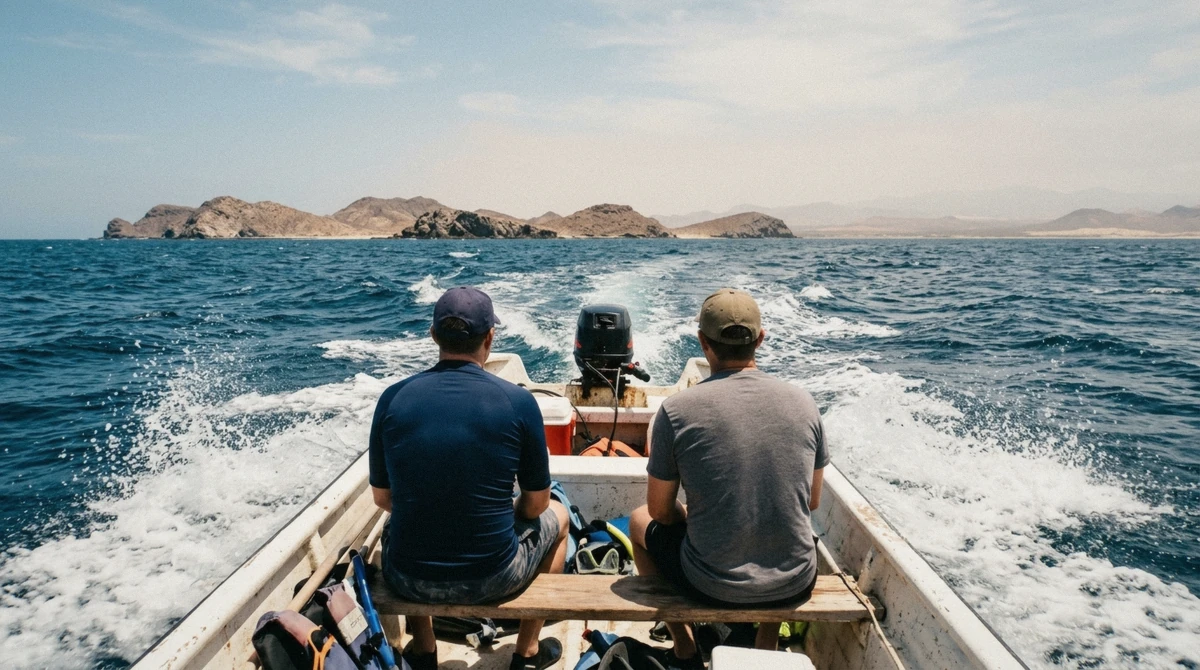
November to April is the all-round best time: cooler air, calm mornings, the clearest water of the year, and island landings permitted so a beach stop is part of the day. May to October is turtle nesting season, no landings, but snorkeling from the boat continues unchanged, and July to September brings whale sharks. Water sits between 26 °C in winter and 32 °C in late summer, so temperature never decides it. Whichever month you choose, take the morning departure.
Key takeaways
- Beaches and island hikes: 1 November to 30 April only
- Clearest water: October to May, commonly 20–30 m visibility
- Whale sharks: July to late September, peak August, never guaranteed
- Roughest crossings and bluebottle jellyfish: the summer wind months
- Morning beats afternoon in every season, the two departures compared
- Cheapest seat regardless of month: the $60 Seeb Marina morning trip
Trips That Suit Each Season
Three trips that answer the seasonal question differently: the earliest and cheapest morning boat, the one built around winter beach time, and the one that hands you a camera in whale-shark season. Prices read from the listings in August 2026, free cancellation up to 24 hours before departure on all three.
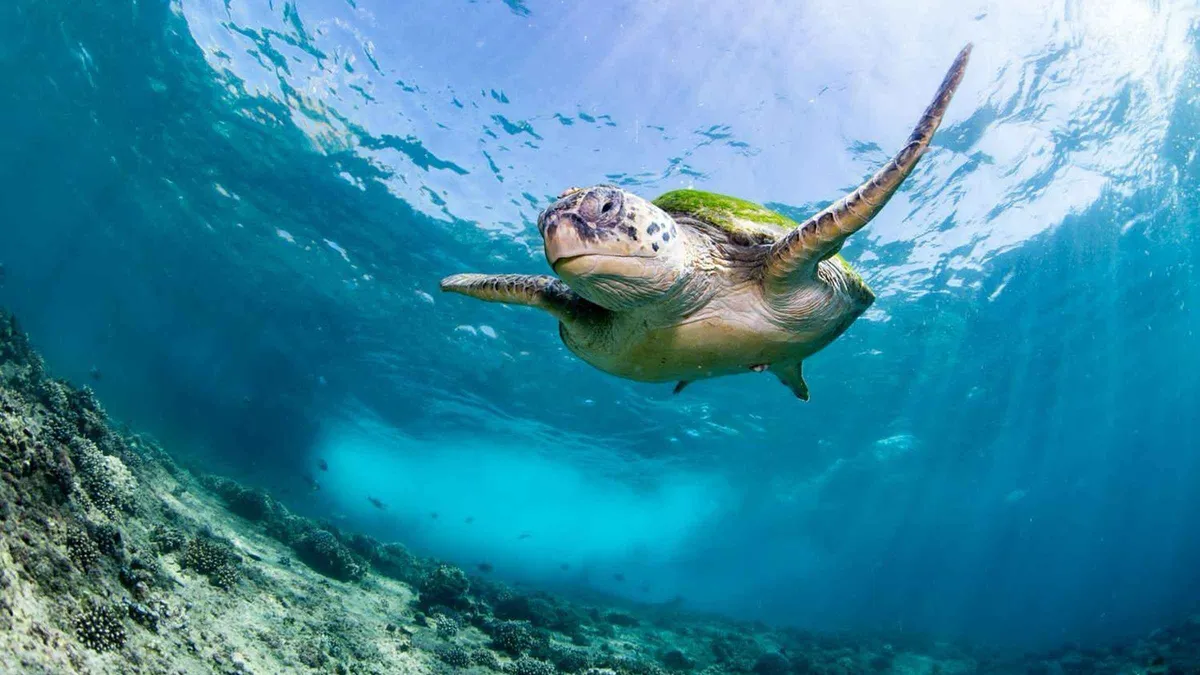
Seeb: Daymaniyat Islands Snorkeling Tour with Lunch
The cheapest trip in the catalogue and the most precise about its own timings: check-in at Seeb Marina at 08:15, a 25 to 30 minute run…
- Cancellation
- Free cancellation 24h
- Operator
- Pearl Dimaniyat Diving Center
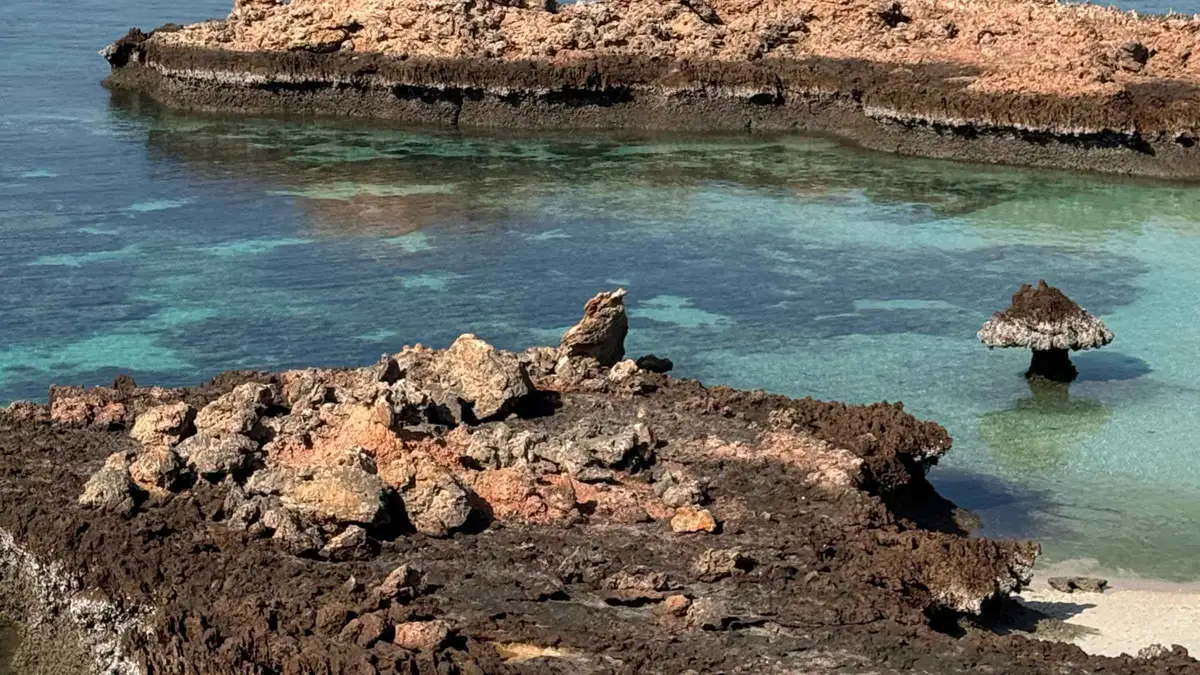
Daymaniyat Islands Visit and Snorkeling
The clearest published schedule of the lot: out of Al Mouj Marina at 09:00, 45 minutes across, an hour of snorkeling, club sandwiches and juice, then…
- Cancellation
- Free cancellation 24h
- Operator
- MARMAR Tourism and Marine
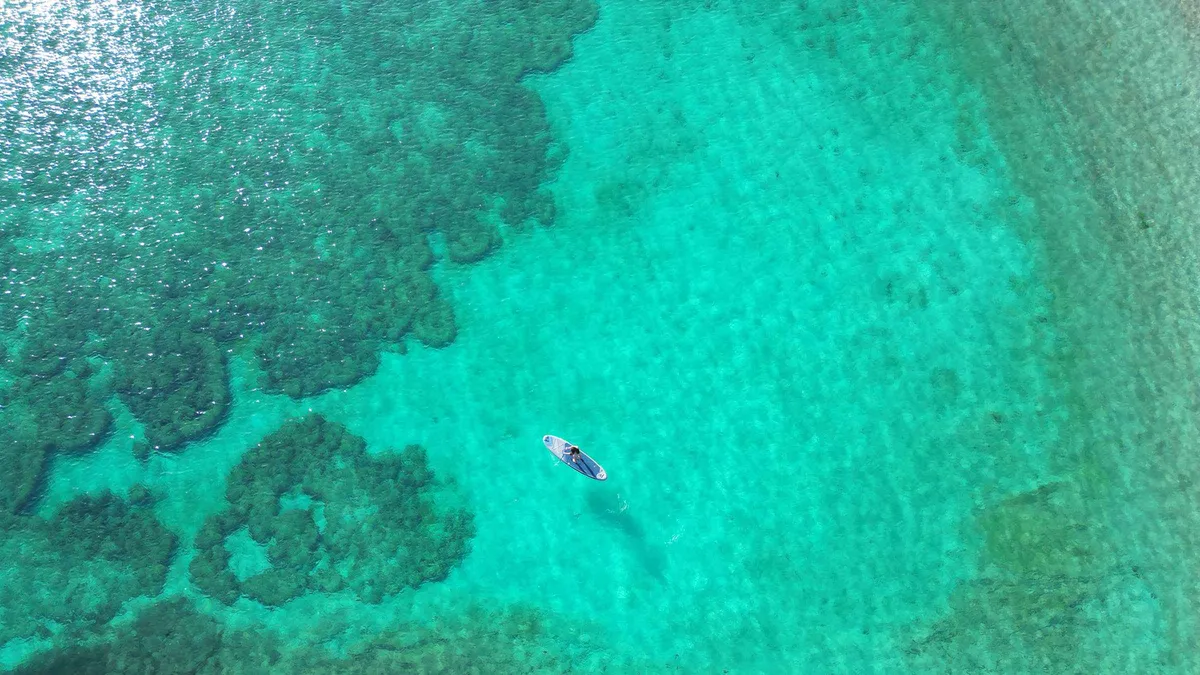
Daymaniyat Snorkeling with Turtles, Blacktip Sharks and GoPro
The trip that hands you the camera: an underwater GoPro is in the price and the crew shoots as well, which reviewers keep mentioning. Leaves from…
- Cancellation
- Free cancellation 24h
- Operator
- Cruise Sea Tour
The Year in Four Blocks
Four seasons, four different days on the same water. Prices do not change between them; what changes is access, clarity and which animals turn up.
| Months | Islands | Visibility | Book | Sea | What you might see |
|---|---|---|---|---|---|
| November to February | Open to landings | Best of the year, 20–30 m | Calm mornings, choppy afternoons | Turtles, blacktip sharks, dolphins | |
| March to April | Open until 30 April | Still excellent | Warming, mostly settled | Turtles, rays, jellyfish at some sites | |
| May to June | Closed for nesting | Falling as plankton rises | Summer wind building | Turtles, nesting activity offshore | |
| July to October | Closed until 31 October | Lowest of the year | Roughest crossings | Turtles plus whale sharks, July to September |
Access dates are the reserve's own. Visibility and sea-state notes come from Oman dive-centre reporting and recent traveller accounts, checked August 2026.
Daymaniyat Islands, Month by Month
What actually changes through the year: island access, water clarity, sea state and which large animals are around. Air temperature is not on this list because it is warm enough to snorkel in every month.
- JanuaryClearest water, beaches openPeak visibility, commonly 20–30 m, and landings permitted. Winter wind can make the ride home choppy, a January reviewer described exactly that. Bring a windbreaker for the crossing.
- FebruaryThe best all-round monthCalm mornings, cool clear water, beaches and camping open. If you want everything the islands offer in one half-day trip, this is the month that most reliably delivers it.
- MarchWarming, still openSea temperatures climb and clarity holds. Weekends get busy with boats from both marinas, so the earliest departure is worth the alarm clock.
- AprilLast month ashoreIsland access ends on 30 April. Independent visitors who went in April describe sun, warm water and perfect swimming, and jellyfish at the Big Island stop, which their captain said do not sting.
- MayNesting closure beginsFrom 1 May no boat may land. Snorkeling, diving and swimming from the boat continue exactly as before; operators run a second snorkel session instead of the beach stop.
- JuneWarm water, more windBath-warm sea and the start of the summer wind pattern. More departures are cancelled or moved in this stretch than at any other time; operators reschedule rather than refund where they can.
- JulyWhale shark season opensPlankton blooms bring whale sharks in. Crews detour to look, which lengthens the crossing. The same plankton cuts visibility, and bluebottle jellyfish show up on some wind directions.
- AugustPeak whale shark oddsThe most reliable month for a sighting and still not guaranteed. Water reaches about 32 °C, warm enough that a rash guard is about sun rather than cold.
- SeptemberSharks plus improving clarityThe sea cools slightly, visibility starts to recover, and the big fish are often still around. The strongest compromise month of the year.
- OctoberQuiet, closure still onSightings taper off through the month and landings remain banned until the 31st. Water clarity is on the way back up and the boats are emptier.
- NovemberIslands reopen on the 1stLandings, beach stops and camping resume. Comfortable air temperatures and the start of the best visibility window, one of the two best months to book.
- DecemberCool, clear, busyHigh season for visitors to Oman. Book a few days ahead, especially for weekends and public holidays, and especially for the morning slots.
Access dates are the reserve's own and appear in the operators' listings. Visibility, temperature and whale-shark timing come from Oman dive-centre reporting and recent traveller accounts, checked August 2026.
The One Date That Changes the Day
1 November to 30 April: you can stand on an island
During the winter half of the year boats may land. That means beach time on white coral sand, a short walk up for the view over the reserve, and on some trips an overnight camping option. The beach and snorkel day gives the most of it, an hour and a half ashore, while the GoPro trip promises 30 to 60 minutes.
It is also the clearest, calmest half of the year, which is why it is peak season for visitors to Oman generally. Operators recommend booking several days ahead for weekends, public holidays and the November-to-April window in general.
1 May to 31 October: the islands close, the water does not
Green and hawksbill turtles nest on those beaches and seabirds breed on the rock, so the reserve shuts the islands to visitors for six months. No landing, no beach stop, no camping.
Everything in the water carries on. You still snorkel two sites, still swim from the boat, still cruise the reserve, and the price does not change. The beach and snorkel day states outright that in summer the beach hour and a half becomes a second snorkeling session with a half-hour break. Several first-hand accounts from people who did land in winter describe it as the least memorable twenty minutes of the day, worth remembering before you rearrange a trip around it.
If you are weighing the closure against the rest of the trip, the is it worth it page has the reviews on both sides, and the camping and access rules cover what the winter window allows.
Water, Wind and Visibility Through the Year
Clarity is a plankton story
The clearest water runs October to May, when there is less suspended plankton and visibility commonly reaches 20–30 m. Summer blooms cut that back, and bring the whale sharks in to feed, which is the trade in one sentence: the months with the most food in the water are the months you can see least through it.
Water temperature moves between about 26 °C in winter and 32 °C in late summer. Nobody needs a wetsuit for a half-day trip in either season; a long-sleeved rash guard handles four hours of Gulf sun, the reef-safe sunscreen expectation and the occasional jellyfish at once.
Wind, swell and cancellations
Summer brings a stronger wind pattern and rougher crossings, and pushes bluebottle jellyfish onto some sites depending on direction. Independent visitors report jellyfish concentrated at the Big Island snorkel stop in April; the captain on that boat said they did not sting, and the reviewer's husband confirmed it by accident.
Winter is calmer overall, though reviewers on the Al Mouj boats describe choppy returns in January when the afternoon breeze fills in. Every operator here reserves the right to move or cancel a departure for sea conditions, and the kayak day says so in writing. If you only have one spare day in Muscat, book the first day of your stay rather than the last.
The sites are deep, in every month
One thing that does not change seasonally: you cannot stand up at the snorkel stops. The water at the sites is deep and the reef sits well below you, which is why every boat carries life jackets and several carry floats and noodles. Weak swimmers manage fine, the wildlife is within about 10 m of the boat, but it is not a wade-in beach at any time of year.
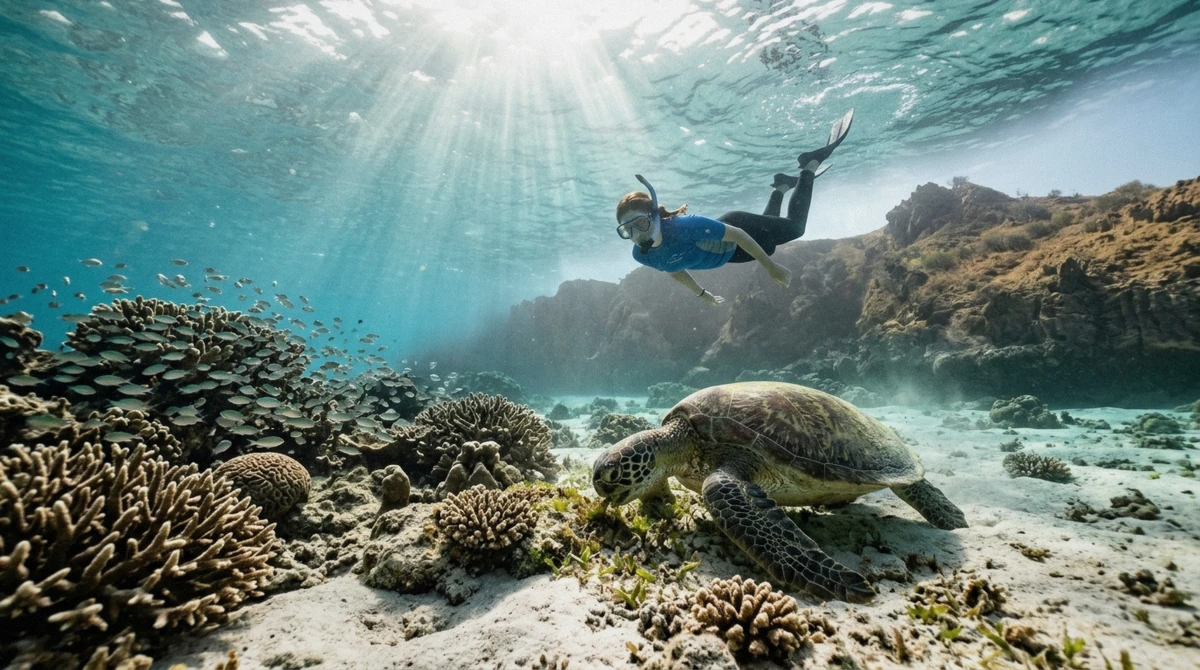
Whale Shark Season, Honestly
When they are actually here
Whale sharks aggregate off the islands from roughly July to late September, with August the reliable peak and sightings tailing off through October. Oman dive centres put the season at July to the end of September; some traveller guides stretch it to May to October, and one first-hand account records daily sightings from 21 to 31 October and none on 1 November.
That spread is the honest picture. If a whale shark is the reason for your trip, August and September are the months, and even then it is a chance rather than a plan. The fare does not change in season and no operator can guarantee one.
What operators claim, and what reviewers report
The GoPro trip is the only listing here that publishes numbers: roughly 70% for blacktip reef sharks and around 50% for whale sharks in season. Those are its own figures, not an independent measurement.
The reviews are the useful check. Sattyam from the United Arab Emirates, July 2026: "We could not see the whale sharks but the trip was a great experience for snorkeling." A Swiss guest on the catamaran in November 2025: "Unfortunately the big fish didn't show up, but that's nature." Both rated the day five and four stars respectively. The turtles are the reason the trip works in every month; the whale shark is the bonus.
Morning or Afternoon?
Morning, in almost every case
The wind builds through the day here, so morning departures are the calmest crossings and the ones crews use when they are hunting whale sharks. They are also the most popular, which means more boats at the turtle site, and more captains sharing information about where the animals are that morning.
Peter, who took the Seeb Marina morning trip in May 2026, put it flatly: "Always take the morning trip, not the afternoon one, the weather will always be better." A February reviewer on the Seeb Port trip was first boat at the first site and had the place to herself before the others arrived.
When the afternoon wins
Fewer boats. Sheila from Belgium took the afternoon departure of the morning or afternoon trip in April 2026 and had the boat to herself: "It's much quieter then, and there are only a few boats around the islands. So the breeze feels nice." She spotted a whale on the way and still got an hour at the turtle site plus a beach stop.
Afternoon also solves a logistics problem, a morning flight arrival, a late checkout, children who nap. The morning or afternoon trip is the only listing here that publishes both slots at 08:30 and 13:30.
Whichever slot you take, plan the drive: Seeb is 30 km out of the centre and Al Mouj is in the city. Getting there from Muscat has both.
Timing Questions
What is the best month to visit the Daymaniyat Islands?
February and November. Both sit inside the island-access season, both have calm mornings and 20–30 m visibility, and neither has the summer wind. April is the last month you can land on a beach; September is the best month if whale sharks matter more than clarity. Month by month
When can I see whale sharks in Oman?
From roughly July to late September around the Daymaniyat Islands, with August the peak and sightings tailing into October. They are never guaranteed, and the trip price does not change during the season. One operator advertises about a 50% chance in season, its own figure. The honest version
Can you visit the Daymaniyat Islands in summer?
Yes, the boats run all year. From 1 May to 31 October you cannot land on the islands because of turtle nesting, but snorkeling, swimming and diving from the boat continue, and operators replace the beach stop with a second snorkel session. Expect warmer water, rougher crossings and lower visibility. What closes
Is the sea rough at the Daymaniyat Islands?
It can be, mostly in summer and mostly in the afternoon. Winter mornings are the calmest window of the year, though reviewers still report choppy January returns. Every operator can move or cancel a departure for sea conditions, so book early in your stay rather than on your last day. Wind and cancellations
Do I need a wetsuit?
No. Water sits between 26 °C in winter and 32 °C in late summer. A long-sleeved rash guard is the more useful item, it covers sun, the reef-safe sunscreen expectation and the occasional jellyfish. Gear and life jackets are provided on every trip compared on this site. Conditions
How far ahead should I book?
Several days for weekends, public holidays and anything in the November-to-April access season, which is peak season for visitors to Oman. Morning departures fill first. Every trip here allows free cancellation up to 24 hours before, so booking early costs nothing. Compare the nine trips
Does the season change the price?
No. The nine trips compared here charge the same fare year-round, including in whale-shark season, and the reserve permit is a flat OMR 3 per non-Omani adult per day whatever the month. What changes with the season is demand: the November-to-April window is peak season for visitors to Oman, so morning slots fill earlier. What a day costs
Is a summer trip still worth booking?
Yes, with expectations adjusted. You lose the beach landing and some clarity, you gain the whale-shark window and quieter boats. Turtles are resident all year and the sites do not change. If the island itself is the point of the trip for you, wait for November. Is it worth it?